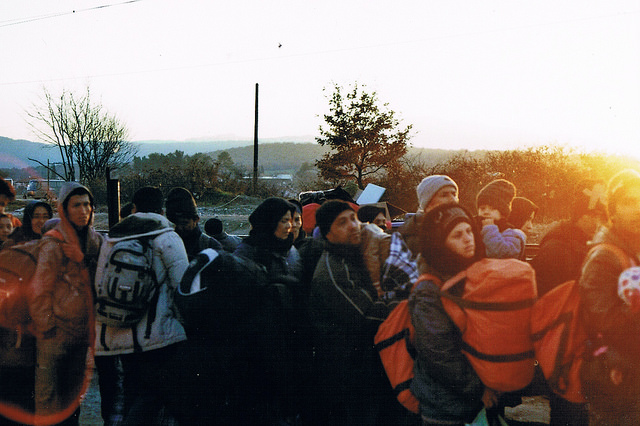
Resettlement
Resettlement is defined as the transfer of refugees from a State in which they have sought asylum to a third State that has previously agreed to admit them as refugees and grant them a form of legal status, with the possibility of acquiring future citizenship. If a refugee cannot locally integrate in the country where he or she has sought asylum and there is no prospect of repatriation in the foreseeable future, resettlement becomes the only possible durable solution. Resettlement is an important international protection tool to meet the needs of refugees whose life, liberty, safety, health and other fundamental human rights are at risk. Resettlement is also a tangible demonstration of international solidarity and responsibility sharing with the mostly poor countries hosting the majority of the worlds' refugees. Many ECRE member agencies are involved in resettlement activities and the consistent use of partnerships between NGOs and governments demonstrates the importance of expertise and experience the NGOs bring to all stages of the resettlement process. ECRE's position
|