Integration
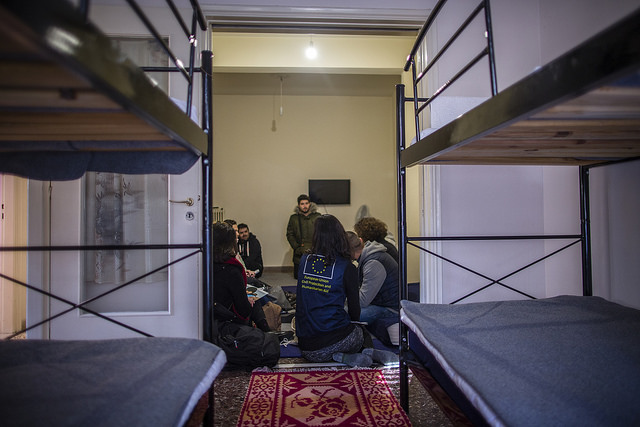
The integration of refugees is a dynamic two-way process. This process begins from day one when a refugee arrives within the new host society. The approach that governments choose will determine the outcome of integration efforts and services and will ultimately influence integration for individual refugees. Refugee integration therefore places demands both on receiving societies and on the individuals and communities concerned. Due to the forced nature of their migration and their experiences, compared with other migrant groups, refugees will often have specific needs that have to be met in order to support their integration. They will often be one of the most vulnerable groups in society while also being the most resilient. It is therefore important that the special needs of refugees are recognised in integration policies and practices within an overall policy of mainstreaming. ECRE believes that the extent to which refugees are able to integrate is critically and inextricably linked to the additional rights they are accorded upon recognition of their need for international protection. This relates to the acquisition and application of civil, political, economic, social, and cultural rights, as well as promoting and encouraging civic, socio-economic and cultural integration. |
Read refugee stories on this topic Position Papers Integration Policy Briefings - National ReportsECRE's Refugee Agenda Way Forward paper on Integration Responses & Recommendations Memo on Integration to COREPER Response to Immigration, Integration and Employment Research Paper Press Releases Refugees ignored in EU integration policies No Equal Opportunities for refugees in the European Year of Equal Opportunities |